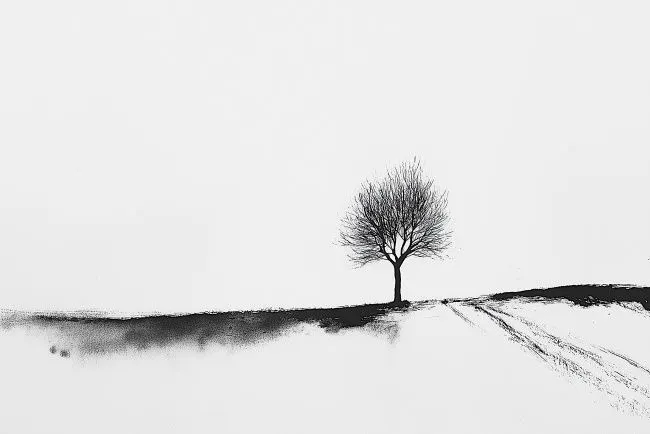
The Silent Transition
Life is a fleeting passage, a bridge between two eternities. Yet, in the noise of our daily routines, we often forget that the bridge has an end. The grave is not merely a destination for the body; it is the first gate of the Barzakh—the intermediate realm where the soul begins its true awakening. For many, this awakening is accompanied by a profound and irreversible realization: that the time for action has passed, and only the weight of one’s deeds remains.
The Quranic Warning: “My Lord, Send Me Back”
The Quran captures the chilling cry of those who realized their negligence too late. In Surah Al-Mu’minun, Allah (SWT) says:
Until, when death comes to one of them, he says, ‘My Lord, send me back that I might do righteousness in that which I left behind.’ No! It is only a word he is saying; and behind them is a barrier until the Day they are resurrected.
— QS Al-Mu'minun 23:99-100
This regret is not for missing a business deal or a social event; it is the regret of a soul that sees the reality of the prayer it missed, the charity it withheld, and the moments it wasted in vanity. The grave is where the veil is lifted, and the “unseen” becomes the only truth that matters.
Five Before Five: Seizing the Opportunity
The Prophet Muhammad (peace be upon him) provided us with a roadmap to avoid this eternal remorse. He advised us to take advantage of five things before five others:
- Your youth before your old age: The energy to worship and change habits is greatest now.
- Your health before your sickness: Use your strength while you have it to serve others and fulfill your obligations.
- Your wealth before your poverty: Spend in the way of Allah before your resources are gone or no longer under your control.
- Your free time before your preoccupation: Moments of stillness are gifts; use them for Dhikr and reflection.
- Your life before your death: This is the ultimate capital. Once it is spent, no more can be earned.
Practical Preparation for the Barzakh
Preparing for the grave does not mean abandoning the world, but rather navigating it with the hereafter in mind.
1. Sincere Repentance (Tawbah)
The door of repentance is open until the soul reaches the throat. Do not let the sun set on a sin you haven’t asked forgiveness for. Sincere Tawbah wipes the slate clean, turning a potential source of regret into a witness for your humility.
2. Consistency in the Fard (Obligations)
The five daily prayers are the light of the grave. They are the first thing we will be questioned about. If the foundation is solid, the rest of the questioning becomes easier.
3. Investment in Sadaqah Jariyah
The Prophet (pbuh) taught us that when a person dies, their deeds end except for three: ongoing charity, beneficial knowledge, or a righteous child who prays for them. These are the “investments” that continue to send light into the darkness of the grave.
4. Rectifying Relationships
Regret in the grave often stems from the wrongs we did to others. Seek forgiveness from those you have hurt or backbitten. The debts of the soul are harder to pay in the afterlife than the debts of the pocket.
A Final Call to Reflection
Imagine yourself in the silence of the earth, where the only company is your character. Will your deeds be a comforting garden or a source of constriction? The beauty of being alive right now is that the script of your life is still being written. You have the power—by the mercy of Allah—to ensure that when your time comes, you do not meet it with a plea for more time, but with the peace of a soul that is returning home.
Don’t wait for the grave to start living for Allah. The time to prepare is not tomorrow; it is this very breath.
Summary of Daily Preparation
| Priority Area | Action Item | Frequency |
|---|---|---|
| Spiritual | Perform Five Daily Salah on time | Daily |
| Ethical | Seek forgiveness from someone you’ve wronged | As needed |
| Financial | Give even a small amount in Sadaqah | Weekly |
| Personal | Recite Surah Al-Mulk (protection from grave punishment) | Nightly |